The Grooming Manual
What Is Exfoliation?

Cleansing your skin is the straightforward part: it removes dirt, sweat, surface oil, and other stressors in barely under a minute. But even with consistent cleansing, dead skin cells inevitably keep accumulating on the surface of your skin. That buildup is what makes skin look dull and rough, while also preventing other products from working to their full potential.
What is exfoliation, and why does it matter? When done consistently and with the right product, exfoliating removes those dead cells and stressors that run deeper in your skin, making a big impact on how your face looks and feels.
Below, we’ll go over what skin exfoliation is, how the two main types work, where it fits in a routine, and which skin exfoliation products deliver the best results depending on your skin type.
What Is Skin Exfoliation?
Skin exfoliation is the process of removing dead skin cells from the surface of the skin.
Your body cycles through cells constantly, which is a completely natural part of how your skin works. Yet, those dead cells eventually pile up, creating a dull, rough barrier that other skincare products have to work through.
Exfoliation clears that layer and reveals the newer, healthier skin that’s underneath. Regularly exfoliating your skin promotes a brighter complexion and helps your pores stay clean. Plus, it allows your skincare routine to absorb and perform better.
There are two main approaches to skin exfoliation: chemical and physical.
Physical exfoliation uses natural abrasive substances, such as pumice or sugar, to manually scrub dead cells from your skin’s surface. It provides immediate smoothness, but it’s prone to over-scrubbing, inflammation, and micro-tears. It’s great for some types of thick or oily skin, but some may instead opt for chemical exfoliation.
What Is Chemical Exfoliation?
Chemical exfoliation uses active exfoliating acids or enzymes to break down the bonds between dead cells and the surface of your skin. While a physical exfoliant works with manual exfoliation (also called mechanical exfoliation), chemical exfoliants do the work on contact. You apply, let it sit, and rinse — for the most part.
There are two main classes of chemical exfoliants: alpha hydroxy acids (AHAs) and beta hydroxy acids (BHAs).
AHAs, such as glycolic acid and lactic acid, work on the skin’s surface and target dullness, fine lines, and uneven tones, among other things. BHAs like salicylic acid, instead, penetrate deeper into the pores and are often used for more therapeutic purposes.
Our Smooth Finish Glycolic Acid Peel, for example, pairs the exfoliating power of glycolic acid with aloe vera and other clean ingredients to promote cell turnover and brighten your complexion with a chemical peel.
What Step Is Exfoliation in Skincare?
Exfoliation in skincare belongs after cleansing and before moisturizing. Cleansing first removes surface dirt and oil to avoid pushing grime into open pores. However, almost all other products should come after exfoliation to allow for better absorption.
Here’s the order most skincare routines follow:
- Cleanser: Removes surface dirt, oil, sweat, and external stressors.
- Exfoliant: Gets rid of dead skin cells either by scrubbing or peeling.
- Toner: Balances pH levels.
- Serum: Targets specific age-related skin concerns, including increasing collagen production
- Moisturizer: Locks in hydration.
Your own regimen of skin care products, of course, might differ from this template. You might not use toners or serums, or you might have different products for day and night routines. The key thing is to know why you’re doing what, in what moment, and before and after what.
However, it’s crucial to remember that exfoliation isn’t a daily thing (unlike moisturizing or cleansing). Over-exfoliation can lead to inflammation, sensitivity, and micro-tears, among other things. For most people, exfoliating two to three times a week is the right frequency — but be ready to adapt based on how your skin responds.
What Are the Benefits of Exfoliation?
Skin exfoliation changes how your skin looks and feels, but its benefits run deeper than that. When paired with proper cleansing and moisturizing, exfoliation supports long-term skin health as well as short-term aesthetic benefits. These include:
- Brighter skin tone: Dead cells can cause your skin to look flat and dull. Removing them regularly allows your complexion to reflect light more evenly.
- Smoother texture: Consistent exfoliation reduces roughness, keeping your skin softer to the touch.
- Closer shaves: Exfoliation lifts hairs away from the surface. This allows for cleaner passes and fewer ingrown hairs during your next shave.
- Better product absorption: Moisturizers, serums, toners, and pretty much every other skincare product will work better on exfoliated skin.
- Cleaner pores: Exfoliation removes oils, bacteria, and other stressors that would normally get trapped in your pores. This means fewer breakouts and blemishes over time.
- More even skin tone: Chemical exfoliants such as glycolic acid fade hyperpigmentation and dark spots with regular use.
However, exfoliation can be a bit more volatile than other skincare products. Due to its aggressive nature, different types of skin will react differently to frequency, type of exfoliant, complementary products, and other factors. If you feel like exfoliation isn’t giving you the results you were hoping for, make sure you check with a skin professional.
A dermatologist can tell you which exfoliant you should use, how to incorporate it into your routine, how often you should use it, and more. All, of course, tailored to your own specific circumstances, preferences, and goals.
What Are the Best Skin Exfoliation Products?
The best skin exfoliation products for you will depend on your skin type and primary concerns. There’s some degree of trial and error involved, but with enough research, you’ll probably find a product that suits your skin. A good place to start is deciding whether you’re looking for a physical scrub, a chemical exfoliant, or both.
What Is the Best Skin Exfoliation Scrub?
A skin exfoliation scrub uses a natural abrasive texture to physically remove dead skin cells from the surface. Quality physical scrubs use gentle exfoliants like pumice or ground botanical material rather than synthetic particles. The formula always matters: choose a scrub built around safe ingredients that don’t over-strip your skin.
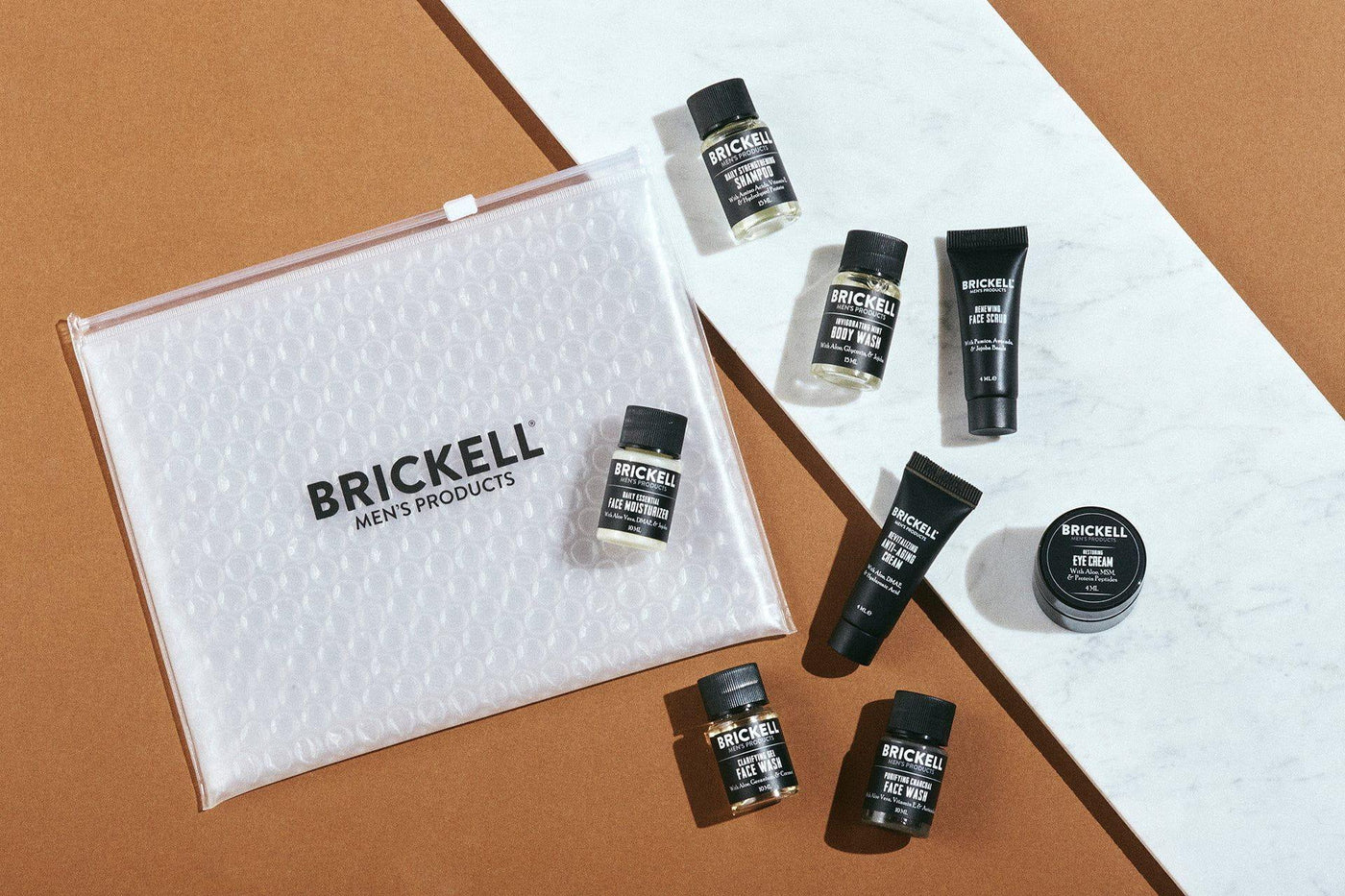
Our Renewing Face Scrub is a great place to start with physical exfoliation. Made out of Jojoba Beads, Pumice, Avocado Butter, and other skin-safe ingredients, it removes dead cells and oily buildup without being too aggressive. We also added Coffee and Green Tea extracts to protect the skin with antioxidants.
What Is the Best Chemical Exfoliant for Men?
Chemical exfoliants might seem a bit more intimidating at first. Glycolic acid is a great way to start, being not only widely used but also broadly studied for its effectiveness and benefits. You can always pivot to other ingredients later once you’ve done some research and have some personal experience.
We designed our Smooth Finish Glycolic Acid Peel to be a versatile chemical exfoliant that works for most ages and skin types. It not only removes dead skin cells but also promotes cell turnover for a better complexion and skin texture. Alongside the Glycolic Acid, we also added MSM (a nutrient found in superfoods) and Aloe Vera to support skin health.
Skin Exfoliation FAQs
How do you exfoliate your skin?
Exfoliating your skin starts with a clean face: wash with your regular cleanser to remove surface oil and dirt before you do anything else. Our Purifying Charcoal Face Wash is an excellent choice for daily cleansing, refreshing your skin without irritation or dryness.
The following steps depend on whether you’re using a physical or chemical exfoliator. For physical exfoliation, apply a small amount to your skin and work it in using gentle circular motions for about a minute. For chemical exfoliants, apply a thin, even layer and let it sit for the recommended time before rinsing.
Is it better to exfoliate wet or dry?
For most exfoliants, neither extreme is particularly good. Physical exfoliants tend to work better with damp skin, which allows the scrub to glide more smoothly and create less friction. For chemical exfoliants, most formulas perform better on drier skin — although not completely dry.
When in doubt, check your product’s directions. The recommended skin state will usually be noted there.
Can exfoliating remove blackheads?
Yes, exfoliating can help reduce and prevent blackheads by keeping pores clean. Physical scrubs remove the layer of dead cells and debris that clog pores, while chemical exfoliants loosen the buildup inside them.
However, for persistent blackheads, make sure to check with a professional. They might need a more targeted or delicate treatment depending on the underlying causes.
Is it better to wash or exfoliate first?
Washing should always come first. Cleansing before exfoliating removes the superficial layer of stressors and oil so that the exfoliant can work directly on the dead skin cells sitting below. Starting with an exfoliant on an unwashed face will, in most cases, reduce its effectiveness and even risk spreading bacteria across your skin.
Do I exfoliate with warm or cold water?
Warm water is usually the right call for exfoliation. It softens the skin slightly and loosens dead cells, making the exfoliant easier to apply. Once you’re done, a quick rinse with warm water first, and cold water second can help calm the skin if you notice some irritation.